
Hazards of Working Alone: Common Risks and How to Prevent Them
Working alone can look calm from the outside. It can even feel easier, for a while. But across Canadian worksites, quiet jobs can hide sharp risk.
A cleaner in an empty school, a field tech on a back road, or a care worker in a private home all face the same problem, i.e., when something goes wrong, help is not right there.
A slip, a sudden illness, or one bad interaction can turn serious fast. Also, long hours without support can wear a person down in ways others never see. Lone work needs planning every single day.
What are the Risks of Working Alone?
Working solo is risky because delays change everything. Trouble grows while no one sees it, hears it, or steps in. This is why the hazards of working alone are never just about one task.
They are about being cut off from quick help, clear oversight, and ordinary human support when the day suddenly goes sideways.
The Importance Of Recognizing The Corrosive Symbol In The Workplace
Workplace Hazards
When a person works alone, ordinary site hazards can become much more dangerous.
- ●
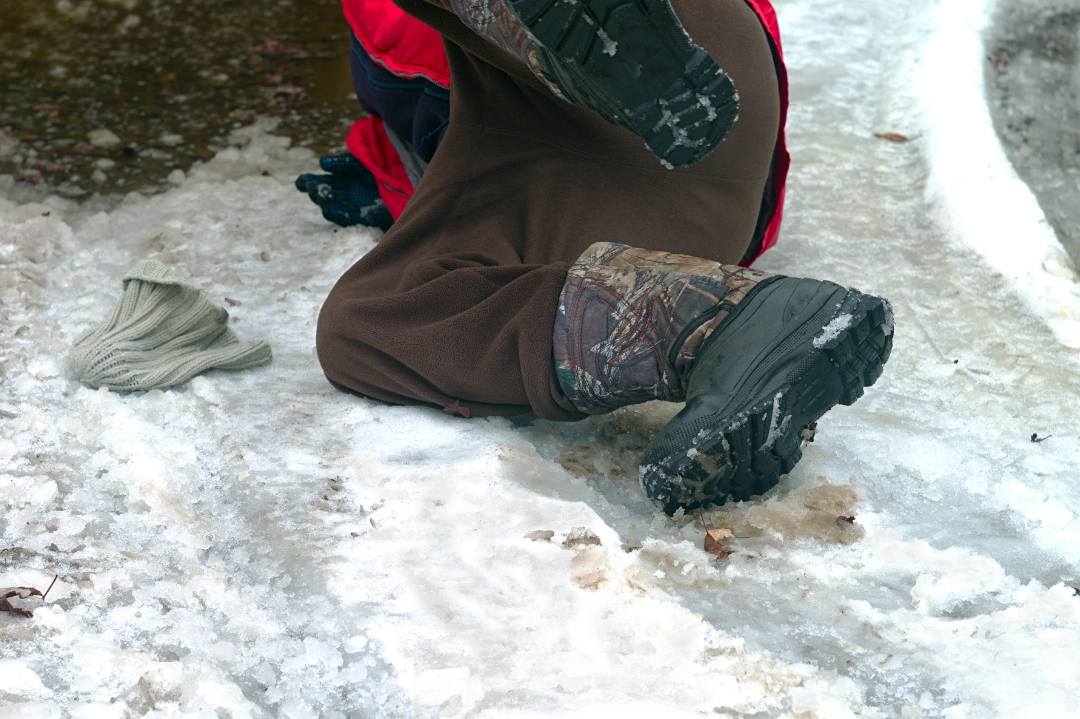
Accidents: A worker trapped and out of sight can be a result of a fall off a ladder, loading dock, stairwell, or icy step. There is also a risk of machinery injuries, particularly around the moving parts, pinch points, or powered tools. What starts as one bad second can become a much worse injury when rescue is delayed.
- ●
Exposure to hazardous environments: There are certain jobs where the lone worker is immediately exposed to a place that is hard on the body. Poisonous fumes, dust and chemicals, bitter blasts of wind, sweltering heat and rugged terrain may wear the strength and cloud the judgment. In a remote yard, bush road, or open worksite, even getting back to safety can be hard.
Psychological Hazards
Working by yourself for long stretches can quietly wear down your mind.
- ●
Social Isolation: People need some contact. Without everyday talk, a worker can start to feel invisible, cut off, and oddly flat. Over time, that silence can make the day feel longer, the work feel heavier, and small problems feel much bigger.
- ●
Stress and Anxiety: Sometimes single workers bear the majority of the mental burden. Their decisions are made alone, their problems are solved alone, and their pressure is dealt with alone. But in the absence of a swift backup, even routine work can bring about a constant buzzing anxiety.
- ●
Mental Health Concerns: The mood, sleep, and confidence can be eroded by long-term isolation. An employee can go a long time without realizing that he or she is becoming burnt out until things become very strange. Moreover, depression, anxiety or emotional discomfort may be more difficult to identify at the beginning due to low support.
Medical Emergencies
A medical crisis is more dangerous when no one is close enough to notice it fast.
- ●
Sudden illnesses: Heart attack or stroke, do not wait to have a safe time. An isolated employee can get sick, become weak, or get lost before they can call anybody. Minutes lost count, particularly in a car, a locked room or a distant outdoor location.
- ●
Sudden medical events: Choking, fainting, seizures, and so on may become critical within a very short period of time. An individual cannot talk, move or use a phone at all. Well, that is the frightening part of lone work, i.e., help may exist, but not close enough.
Violence and Harassment
Lone workers can be easier targets because there are fewer witnesses nearby.
- ●
Assault, robbery, or harassment: The workers who visit homes, deal with money, enforce the rules, or see people are under additional personal threat. It may take seconds to transform threats into verbal abuse, stalking, robbery, or physical assault. The worker might not have much support at hand since there is no close colleague around.
- ●
Higher vulnerability in remote or high-risk areas: Isolated roads, deserted structures, car parks, and off-hours locations increase the level of danger. An individual is more likely to be cornered, followed, or intimidated. Conversely, even a crowded area may seem unsafe when the employee is out of view.
Preventive Measures Against the Hazards of Working Alone
The good news is that the risks of lone work can be reduced. The best results come from simple steps done consistently, before a shift ever starts.
Personal Safety Measures
Personal habits and simple preparation often make the biggest difference first.
- ●
First Aid Training and Personal Protective Equipment: Simple first aid training assists the workers to take fast action as they await emergency care. Adequate gloves, boots, head protection, eye protection and weather gear also reduce the risk of severe injuries. When there is no one around to assist, the correct gear becomes even more important.
- ●
Risk Assessments: Every lone-work task should be reviewed before it begins. Look at the job, the place, the weather, the tools, the public contact, and the worker’s medical needs.
- ●
Set up regular check-in systems: A worker should never just disappear into the day. Use hourly or scheduled updates, and make the timing fit the risk level. For example, a field worker on winter roads may need tighter check-ins than someone in a staffed office area.
Organizational Safety Measures
A safe lone-work system needs more than good intentions from workers.
- ●
Safety Policies and Procedures: Clear policies remove confusion when stress hits. They should explain who may work alone, which jobs are restricted, how to report hazards, and what happens when a check-in is missed. Also, emergency steps should be written in plain language.
- ●
Training and Education: Training should match the real job. In Canada, that may include:
- ●
Overhead Crane Training
- ●
Confined Space Awareness Training
- ●
Crane Operator Training
- ●
Aerial Lift Training
- ●
Accident Incident Investigation Training
- ●
WHMIS Online Training
- ●
Regular Check-Ins and Monitoring: Good organizations do not leave follow-up to chance. They build check-ins into the shift, track missed contacts, and make sure someone actually responds. Remote monitoring, supervisor call-backs, and written logs can all help workers feel seen and protected.
Communication Measures
Strong communication is the backbone of any lone-worker safety plan.
- ●
Who the primary and backup contacts are: All workers will be aware of the first and second person to call. A primary contact is fine but a backup is essential when phones run out of charge, one shifts, or a person is out of town. Before work begins, names, numbers, and response responsibilities should be established.
- ●
What devices or apps are used: The ideal device depends on the job and location. Certain workers require phones, some require GPS trackers or satellite devices or two-way radios due to loss of cell service. The point is the device has to be effective at the place where the worker is physically.
- ●
What emergency codes and responses apply: Emergency language should be short, clear, and easy to remember. A code word, distress phrase, or missed-check-in rule can trigger help quickly without confusion. Everyone involved should know what each code means and what action follows right away.
Conclusion
Working alone asks more from you than quiet focus and steady hands each single day. You face real risks, from sudden injury to stress and delayed emergency help nearby. In Canada, smart planning, clear check-ins, and training make lone work much safer overall.
Read More From the Lone Worker Blog
Top 10 Most Common Ergonomic Hazards For
Ergonomic hazards pose significant risks to solitary workers, who often lack immediate support in their roles.
Read MoreHow The Buddy System Can Keep Your Workers Safe

Working without direct supervision brings added risk, whether in construction, home healthcare, maintenance, or remote fieldwork. That’s where the buddy system comes in.
Read MoreGet Our FREE Lone Worker
Safety And Policy Guide!
Customer Service


Contact Us
24/7 365 Days
Customer Service:
Monday to Friday
9:00 AM - 5:00 PM EST